
1. Introduction
Tuvalu grapples with the effects of climate change, which, along with economic and social factors, has driven many Tuvaluans to migrate in search of better environments and opportunities. New Zealand has become a prominent destination for Tuvaluans, offering not only environmental security but also avenues for economic progress. At both community and individual levels, Tuvaluan immigrants face the dual challenge of preserving their cultural heritage while integrating into New Zealand’s diverse society. Cultural festivals play a pivotal role in this context, serving as a vital link to the homeland for Tuvaluan diaspora communities. In this context, cultural festivals play a pivotal role, serving as more than celebratory events; they function as vital platforms for constructing and reinforcing social capital. According to Robert Putnam (1994), social capital encompasses the interconnected networks, shared standards, and established trust within a society that enable effective coordination and cooperation for the mutual benefit of its members. It can play a crucial role in improving health outcomes in marginalized communities (Tutu & Busingye, 2019).
Nannestad et al. (2008) argue that by employing the concepts of bridging and bonding social capital, there is a positive correlation between bonding social capital, which fosters strong intra-group connections, and bridging social capital, which builds ties with the broader society. This suggests that robust internal community networks do not hinder but facilitate the formation of essential external connections, ultimately supporting successful integration into the host society. For Tuvaluans in New Zealand, cultural festivals help to create bonding social capital by reinforcing shared cultural identities and norms. They also foster bridging social capital by connecting community members with wider societal groups and linking social capital through interactions with local communities. Tuvaluans preserve strong ties to their homeland via cultural traditions and communal gatherings.
This article explores the critical role of Tuvaluan cultural festivals in New Zealand in sustaining cultural traditions and fostering essential social networks. By weaving together the traditions of the past with the realities of their new environment, Tuvaluans maintain their cultural identity and enhance their collective capacity to adapt and thrive in a foreign context. Using social capital theory as a framework, this study examines how these festivals build community cohesion, foster cross-cultural understanding, and support the social integration of Tuvaluan immigrants.
2. Social capital and community resilience
Social capital is a pivotal element in fostering resilience, cultural preservation, and adaptation among Pacific Island communities, particularly amidst the intertwined challenges of climate change, migration, and socio-economic pressures. Central to this resilience is bonding social capital, which reinforces familial and community ties through shared cultural practices. For example, Beaulieu (2009) highlights Tuvalu’s Faatele, a participatory dance and musical tradition, as a powerful medium for cultural transmission. Beyond its symbolic role in fostering communal unity, Faatele thrives in both local settings and Pacific diasporic communities such as New Zealand and Australia, illustrating how cultural traditions sustain identity amidst migration challenges. Complementing this, Alefaio-Tugia (2022) and Kitara et al. (2021) discuss the role of diaspora networks, which, through reciprocal obligations and transnational kinship, sustain resource flows, remittances, and advocacy. These networks effectively bridge geographical divides while simultaneously reinforcing cultural identity and socio-political agency.
While bonding social capital is crucial for intra-community cohesion, bridging and linking social capital extend its relevance by addressing broader societal challenges. Marlowe et al. (2018) emphasize that disaster preparedness in New Zealand’s Pacific Island communities hinges on culturally resonant communication and the leadership of trusted figures. By integrating local knowledge with institutional resources, such strategies enhance not only community resilience but also socio-cultural integrity. Carmen et al. (2022) add that resilience is deeply embedded in social interactions, where networks, trust, and norms enable communities to withstand and adjust to climate-related challenges through collective action and resource sharing. The multidimensional nature of social capital is further emphasized by Adedeji (2019), who underscores its collective significance in enhancing the overall well-being of migrants. Additionally, social networks and reciprocal obligations maintain intergenerational connections and resource flows, reinforcing cultural identity and resilience in fragile ecosystems (Jarillo & Barnett, 2024). This highlights how social networks operate as bridges that link cultural identity and resilience to broader migration strategies. This dynamic interplay of migration and adaptation underscores the necessity of community-driven strategies that leverage both cultural and social capital. Building on these insights, Nguyen Long (2016) and Ahn et al. (2023) provide complementary insights into the multifaceted impacts of social capital, addressing political engagement and cultural well-being. Nguyen Long illustrates the differential roles of bonding and bridging social capital in political participation, where close-knit relationships encourage formal engagement, such as voting, while connections across diverse groups stimulate informal activities like demonstrations. This nuanced perspective challenges the idea of social capital as a universal concept, instead revealing its varied effects depending on the nature of connections.
In this sense, bonding social capital provides the experience of belonging, emotional connection and support, critical for navigating the challenges of migration. Bridging and linking capital foster access to broader opportunities and resources, promoting integration and improving living standards, particularly for Pacific Island migrants. Echoing this perspective, Thomas et al. (2016) highlight how social capital connects newly arriving immigrants with established community members, reinforcing networks and trust essential for resilience and well-being. These perspectives collectively illuminate the principles of social capital and its interconnectedness. This enables Pacific Island communities to navigate migration pressures and environmental challenges. It also demonstrates a dynamic interplay of cultural preservation, resilience, and adaptation across local and diasporic settings. Building upon the significance of social capital, the following section delves deeper into the ways cultural resilience, practices, and identity shape and sustain Pacific Island communities.
3. Cultural resilience, practices, and identity
Cultural resilience and identity thrive through the enduring traditions and social networks of Pacific Island communities, serving as vital anchors amid the tides of migration and environmental change. Events like Polyfest in New Zealand (Williams, 2018) exemplify how cultural traditions foster intergenerational solidarity and resilience. Williams notes that Polyfest fosters cultural pride and promotes inclusivity between Pacific and non-Pacific communities, showcasing how social capital and cultural traditions bolster unity and resilience in the face of migration and globalization. Gilbert (2020) emphasizes indigenous festivals play a vital role in cultural revitalization, decolonization, and fostering cohesive yet diverse identities. They serve as platforms for cultural sovereignty, community resilience, and redefining nationhood beyond state structures. Gilbert adds that these festivals nurture bonding social capital by reinforcing traditional practices and bridging social capital by connecting diverse indigenous groups globally. These perspectives counter the reductive narratives, such as labelling Pacific Islanders as climate refugees. Instead, Campbell (2023) advocates for frameworks that respect cultural connections and emphasize Pasifika agency in mobility decisions to advocate for voluntary and dignified migration pathways that respect cultural connections and mitigate potential losses. For example, Faleolo (2019) illustrates how Samoan and Tongan communities balance traditional ceremonies and language retention with urban integration, showcasing the interplay between cultural preservation and adaptation. These studies collectively underscore the role of cultural and social capital in sustaining Pacific Island communities’ resilience amidst global challenges.
Cultural resilience, rooted in Pacific Islanders’ identity and history, strengthens their ability to adapt to environmental challenges. Ahn et al. (2023) highlight the role of cultural festivals as vibrant platforms for fostering social connections and enhancing migrants’ sense of belonging. These festivals help communities preserve their identities, strengthen ties, and reconnect with heritage, highlighting the connection between cultural resilience and social capital. Additionally, Steiner (2015) explores how cultural practices, such as performances, simultaneously express vulnerability and serve as tools of resilience. These activities foster solidarity in global environmental movements, asserting the right of Pacific Islanders to survive and thrive while raising awareness about climate change impacts. This intricate interplay between environmental pressures and societal structures adds depth to resilience strategies.
Building on the concept of fale pili “looking after one’s neighbour as a family”, (Kitara et al., 2024, p. 233) as an important concept in Tuvaluan life to Tuvaluans, Kitara et al. (2024) argue that mobility is culturally embedded in responsibilities to family, community (fenua), and nation, rather than viewing migrants as isolated individuals. Fale pili fosters mutual care and shared responsibility, extending locally and internationally, challenging Western-centric mobility theories and advocating for indigenous frameworks like fale pili to address mobility justice in the context of climate and social crises (Kitara et al., 2024). Adams (2016) further highlights the importance of place attachment and identity, emphasizing how strong connections to ancestral lands influence migration decisions and explain why Pacific islanders remain attached to their homeland. Extending this perspective, Connell (2016) provides a comprehensive analysis of the Carteret Islanders of Papua New Guinea, linking the impacts of climate change, such as rising sea levels, with broader socio-economic factors. By reframing migration as a strategic response to vulnerabilities rather than forced displacement, Connell underscores the importance of proactive adaptation measures. This aligns with strategies that integrate traditional knowledge into modern resource management, illustrating how Pacific communities leverage resilience to address environmental and socio-economic challenges. In this respect, Begg et al. (2023) emphasize the success of integrating indigenous knowledge into resource management in Fiji, demonstrating how culturally appropriate and sustainable approaches enhance community resilience. Together, these perspectives highlight the interplay between cultural identity, adaptive strategies, and the leveraging of social capital in navigating environmental and socio-economic challenges. The next section provides background information about Tuvalu, migration, and the Tuvaluan diaspora in New Zealand.
4. The context of Tuvalu: culture, migration, and identity
Tuvalu consists of a chain of nine coral islands stretching 580 kilometres in length, located between five and eleven degrees south of the equator (Faaniu, 1983). Tuvalu is made up of Funafuti (its capital), Nukulaelae, Vaitupu, Nukufetau, Niutao, Nui, Nanumea, and Nanumanga. The nation gained independence on October 1, 1978 (Corlew, 2012). Tuvalu faces significant environmental challenges, including rising sea levels, which threaten the ecological stability and social well-being of its people (Farbotko, 2010).
Migration, influenced by cultural, historical, and colonial factors, is now increasingly driven by environmental and socio-economic pressures (Shen & Binns, 2010). While Tuvalu remains politically and socially stable, environmental pressures heightened the need for migration as a response to environmental vulnerabilities (Murphy, 2017). Despite these challenges, Tuvaluan culture is deeply rooted in traditions that provide security, a sense of belonging, and an enduring connection to land and ocean. According to Kitara et al. (2021), a notable cultural practice involves dividing a newborn’s umbilical cord: one part is buried on land beneath a tree, symbolizing a lifelong bond with the homeland, while the other part is set adrift in the ocean, representing exploration and adaptability. They add that although migration can challenge local support systems, it strengthens diaspora networks, enabling remittances, advocacy, and cultural preservation. This duality of rootedness and mobility underscores the cultural and symbolic connection between land and sea.
In this respect, Shibata (2022) highlights that the connection between land, cultural identity, and security is vital for Pacific communities, with rising sea levels threatening traditions, social cohesion, and belonging. Shibata adds that effective policies must prioritize cultural preservation, recognize land’s symbolic significance, and support inclusive migration strategies to protect both physical and cultural survival. In support of cultural survival of Pacific diaspora communities, Ghezal (2022) indicates that within the Tuvaluan diaspora, cultural events and community gatherings are pivotal in fostering social capital and unity, highlighting the role of cultural practices in maintaining cohesion within the Tuvaluan diaspora in New Zealand. Tuvaluans have increasingly moved abroad, establishing networks and adapting to diverse contexts while maintaining ties to their cultural roots. New Zealand has become a destination for the Tuvaluan diaspora, with strong historical ties underpinning the relationship between the two nations (Shen & Binns, 2010). According to StatsNZ (2018), the Tuvaluan population in New Zealand is 4,653, with the majority (69.4%) residing in Auckland, a city that serves as a hub of familial and social networks for the Tuvaluan diaspora. These demographic trends emphasize the growing Tuvaluan diaspora in New Zealand that harbours socio-cultural heritage and traditional practices that necessitate research and exploration.
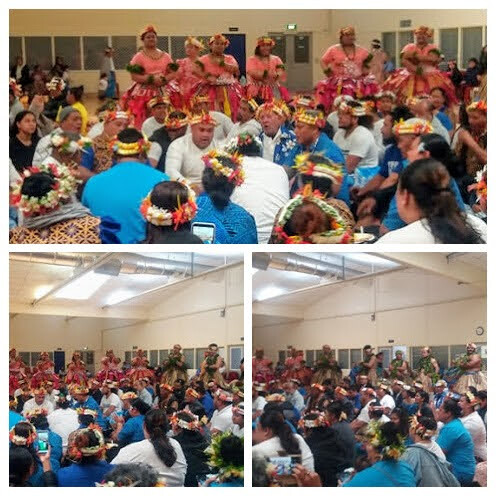
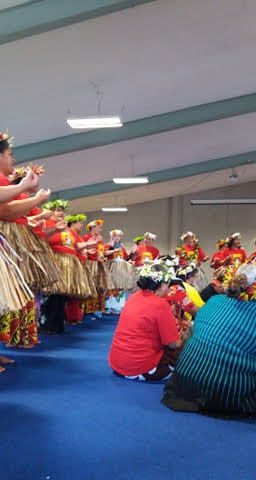
This section has provided an overview of Tuvalu’s geographic and cultural context, its migration history, and the demographic characteristics of its diaspora in New Zealand. By framing the discussion within these dimensions, it highlights the interplay between cultural resilience and the challenges of migration. The next section outlines the research methodology and data collection methods employed to examine the social and cultural capital of the Tuvaluan community in New Zealand, with participant observation playing a central role through attending various community events, including Tuvalu Language Week, Tuvalu Independence Day celebrations, and traditional functions. One observed event involved a traditional function organized by migrants from the Tuvaluan island of Niutao, where different families showcased their dance skills and celebrated their island culture. While this was the only island-specific event observed during the research, it reflects the broader practices within Tuvaluan communities, where individual islands may hold distinct celebrations to honour their unique cultural heritage. As Stratford et al. (2013) notes, Tuvaluans uphold strong connections to their island communities, regardless of their global location, these bonds remain essential. Cultural practices of collaboration and competition within and between islands are integral to Tuvalu’s political, economic, and social fabric. This interconnectedness highlights the resilience of Tuvaluan identity, blending local island-specific traditions with national and global affiliations. Unifying gatherings, such as Tuvalu Language Week and Independence Day, complement these events by fostering a pan-Tuvaluan identity. At these events, groups showcase distinct attire, Faatale dances, and customs. This balance of unity and diversity highlights Tuvaluan culture’s ability to celebrate shared heritage while respecting island-specific traditions.
5. Research methodology: participant and community observation
This study uses participant observation to examine the resilience, social capital, and customs of the Tuvaluan community in New Zealand. Participant observation was used over a three-month period from September 2019 to November 2019 to explore the cultural and traditional practices of the Tuvaluan community residing in New Zealand. This approach included active participation and immersion in a range of community activities and cultural events in order to get a comprehensive understanding of the community’s social dynamics and cultural customs.
Participant observation allows researchers to gain a holistic understanding of the social context by becoming part of the community they study. The observation process could be classified as either participant or non-participant (Busetto et al., 2020). Participant observation is a research method where the researcher actively participates in and observes a group for a specific period of time (Polit & Beck, 2017). There are four categories of researcher involvement: complete participant, active participation, moderate participation, and complete observer (Moser & Korstjens, 2018). This study employs a moderate form of observation that depended on moderate participation in many community events, including dances, celebrations, and climate demonstrations. The remainder of the observation involved monitoring community activities, speeches, and everyday routines without active participation.
This approach offers a comprehensive understanding of social interactions and cultural traditions, including their intricacies and nuances. Participant observation played a crucial role in comprehending the resilience and social capital present in the Tuvaluan community in this research. This method helped to directly witness the preservation and adaptation of cultural practices in a new setting, the role of social networks in supporting community members, and the group’s response to the difficulties brought about by climate change and migration.
The data obtained via this approach provide an extensive, qualitative, and visual understanding of the daily experiences of Tuvaluan migrants. The participant observation took place at many locations and events in Auckland, New Zealand.
The participant observation took place in the following events:
-
Community Events and Festivals: Observations were conducted during significant cultural events, such as the Tuvalu Language Week and different community festivals. These activities offered valuable perspectives on the preservation and celebration of cultural heritage, strengthening community ties and cultural identity. This includes an event organised by the Niutao community in Auckland to celebrate their island specific culture through Faatele dance and meal offering.
-
Religious Gatherings: Participation in church services and associated events permitted the observation of how religion contributes to the unity and strength of a community. Religion was shown to be a fundamental cornerstone in preserving social capital and offering emotional assistance.
-
Daily activities within the community, such as family reunions, casual meetings, and communal meals, were observed to gain insight into the social networks and support systems that contribute to resilience and social cohesion.
Data collection for this study was primarily conducted in English, aligning with the bilingual nature of the Tuvaluan community in New Zealand. During events where speeches were delivered in Tuvaluan, bilingual attendees often provided translations, which were noted and clarified through follow-up questions. During the community events, the host family and members from the community also provided assistance to explain the speeches and cultural nuances, enhancing both data collection and understanding of Tuvaluan traditions, including vocabulary related to celebrations, cultural meanings, and traditional attire. The research was supported by the Tuvaluan community, with the host family playing a vital role in fostering integration and establishing connections. Community leaders warmly welcomed the researcher, granting permission to observe events and often offering their guidance. Documentation focused on activities, traditional attire, food, and decorations, while privacy was respected by avoiding direct filming of faces. Community members provided translation and explanations, enriching the research process and deepening understanding of cultural practices. Verbal consent was sought at event venues, with the host family facilitating ethical interactions and ensuring mutual respect between the researcher and the community. These efforts highlighted the community’s openness and commitment to preserving their cultural heritage. This study emphasizes the critical role of positionality in research with Pacific-Indigenous communities, acknowledging the cultural, ethnic, and power dynamics that influence such work. The research was shaped by an awareness of potential power imbalances and cultural differences. Principles of relational ethics were central to navigating these complexities, emphasizing respect, mutuality, and sensitivity to the cultural values and lived experiences of participants. This approach informed participant observation at Tuvaluan cultural festivals, ensuring interactions were respectful, non-intrusive, and prioritized the community’s voices and agency. Relational ethics also guided reflective data analysis, situating findings within the broader socio-cultural and historical contexts of Tuvaluan migration and resilience. By adopting this ethical framework, the study aimed to authentically represent the role of cultural festivals in fostering social capital while honouring the community’s agency and cultural integrity.
6. Social capital and cultural practices: themes from research
This section provides an overview of the results from the participant observation, specifically examining the themes of cultural resilience and identity, social capital and community resilience, and migration and adaptation strategies. The analysis of these themes aims to provide a comprehensive understanding of how the Tuvaluan community in New Zealand preserves its cultural heritage, nurtures social connections, and adjusts to new surroundings. The insights offer a thorough comprehension of the Tuvaluan diaspora’s lived experiences and social ties.
6.1. Cultural resilience and identity
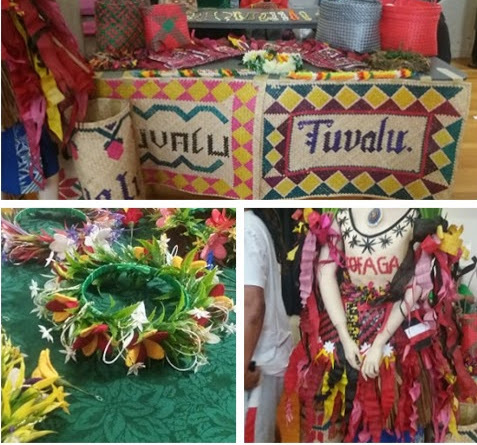
The participant observation emphasises the cultural resilience and preservation of identity among the Tuvaluan community in New Zealand. This persistence is shown via the implementation of traditional practices, festivities, and the establishment of cultural venues that closely recreate the architectural framework in the Tuvaluan culture. Engaging in these cultural activities is essential for the preservation of the Tuvaluan diaspora’s history and the strengthening of their identity in a new environment. An exemplary instance of this cultural fortitude is the Tuvalu Arts Festival, which was held during Tuvalu Language Week in September 2019 in Auckland. The festival exhibited traditional crafts, traditional attire, cuisine, and other cultural artefacts. The event provided a dynamic platform for cultural exchange and social interaction, enabling Tuvaluans to establish connections, preserve their heritage, and provide mutual assistance. These events foster a sense of pride and connection, reinforcing social bonds and collective identity. During these events, Tuvaluans network, exhibit their businesses, and support one another, thereby preserving their culture and social cohesion. For instance, the Arts Festival saw many Tuvaluans exhibiting traditional crafts, jewellery, and other cultural items, highlighting their creativity and entrepreneurial spirit.
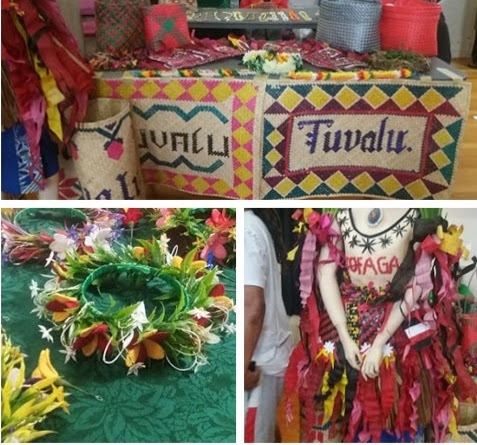
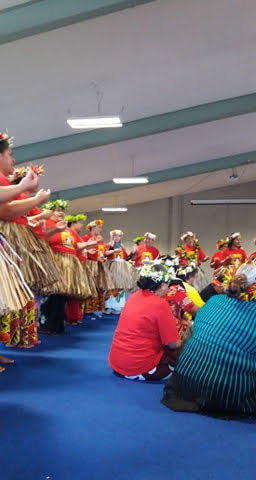
Grace, a young Tuvaluan lady who is the owner of a baking business, enthusiastically took part in the event, showcasing her commitment to empowering the community and preserving the traditional heritage through such gatherings. Her participation also exemplifies the enterprising ethos among the community, using cultural events as platforms to advertise their companies and traditional crafts. The ceremonies revolve around traditional dances, with the Faatele dance being of particular importance. During the Independence Day festivities, many island communities engaged in a competition to showcase their rendition of the Faatele, fostering a sense of pride and deep emotional connection to Tuvalu and the different Tuvaluan atolls. At the Tuvalu Arts Festival, a Samoan lady attended the festivities and said about the young Tuvaluan dancers, “They are beautiful. You can see the pride in their eyes.” These cultural practices serve not only as a kind of entertainment but also as an efficient way of preserving a strong connection with the homeland. The cultural performances foster a sense of pride and enjoyment, enhancing the emotional connections within the community and reinforcing their shared identity. Furthermore, the decorations and arrangements of these celebrations are equally noteworthy. Community halls are embellished with traditional artefacts, posters, and rugs from the Tuvaluan culture, which create a genuine cultural ambiance. The recreation of their native environment is essential for the older generation to establish a sense of connection, while also allowing the younger generation to acquire knowledge and develop an appreciation for their cultural heritage. The practice of conserving and displaying cultural artefacts in their houses also indicates their dedication to upholding their cultural identity.
6.2. Social capital and community resilience
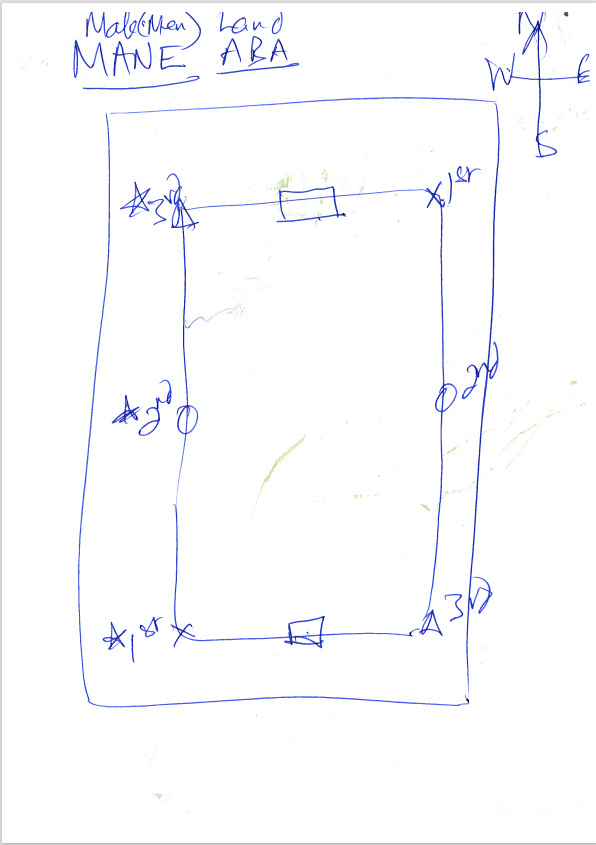
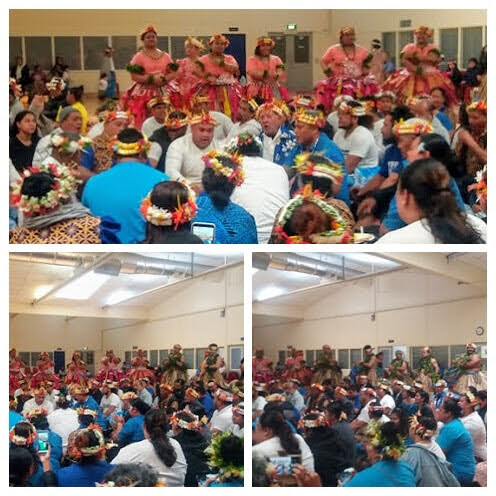
The presence of social capital among the Tuvaluan community in New Zealand is essential for strengthening resilience. The community’s cohesive character fosters a strong support system, as evidenced by frequent events like the Tuvalu Arts Festival and Independence Day festivities. These gatherings strengthen social connections and a shared sense of belonging, assisting people to overcome difficulties related to relocation and adaptation. The Maneapa, a traditional assembly structure in Tuvalu, represents the cohesion and historical interconnectedness of the community. The reproduction of cultural customs and social cohesiveness among the Tuvaluan community in New Zealand demonstrates their dedication to maintaining their history. At some community and cultural events, the hall was arranged in accordance with a Maneapa structure, highlighting its cultural importance and the community’s dedication to preserving this heritage. The Maneapa is not only a physical structure, but also a manifestation of civic ideals and social cohesion. Adapting the Maneapa structure in New Zealand for some events and gatherings enables Tuvaluans to preserve a physical link to their own country, strengthening their cultural identity and offering a familiar setting that fosters communal solidarity and resilience.
It is important to note that during the research there was not a dedicated Maneapa building for the Tuvaluan community in New Zealand. Rather, the concept was explained by one of the Tuvaluan elders named Yusuf (pseudonym) who noted that the seating arrangement of the community elders and leaders is similar to that of the Maneapa in Tuvalu. This took place during Tuvalu language week celebration and elders meeting where Tuvaluan elders usually meet at the Pasifika Arts Centre in Corbyn Estate, West Auckland to connect and discuss cultural and community matters. The community’s commitment to cultural norms is shown through supportive interactions, such as the adherence to traditional clothes codes at events. This solidarity is also evident in daily life, as community members aid one another in overcoming the difficulties of being in a foreign nation. This reciprocal assistance cultivates a robust sense of belonging and adaptability within the group. The act of collectively preserving cultural traditions fosters a feeling of continuity and stability, which is essential for the process of adaptation. The community’s capacity to adjust to their new surroundings while preserving their cultural identity is a demonstration of the resilience of their social capital.
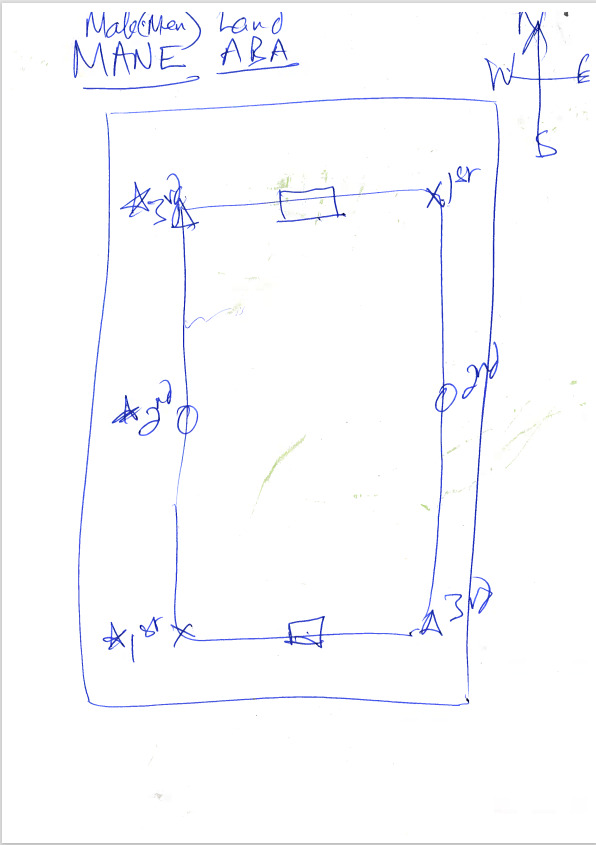
The Tuvaluan adaptation approach is focused on cultural resilience. Through the preservation of cultural practices and traditions, the community retains a strong sense of identity and belonging. The recreation of the Maneapa structure during community meetings and the adherence to traditional dress code exemplify the manifestation of cultural resilience. This cultural continuity fosters a sense of stability and normality, which is crucial for maintaining emotional well-being and social cohesiveness. Furthermore, the community’s enthusiastic involvement in cultural festivals and events not only enhances internal connections but also functions as a means of cultural manifestation and rejuvenation. This assists migrants in preserving their cultural identities and establishing connections with their heritage, while simultaneously cultivating a sense of community and belonging in their new home. Place attachment is also a vital factor in resilience. Tuvaluans are able to maintain a balance between their cultural heritage and the practical aspects of their new surroundings by forming emotional and psychological links to both Tuvalu and New Zealand. Despite the geographical separation, Tuvaluans exhibit a profound emotional connection to Tuvalu, as seen by their attempts to replicate familiar cultural structures and traditions in New Zealand.
The experiences of the Tuvaluan community exemplify the intricate relationship between vulnerability and adjustment to climate change. Migration functions as an adaptive strategy to new circumstances, but it also presents difficulties and challenges. The community’s robust social connections and ability to adapt to adversity help alleviate some of these difficulties by offering assistance and cultivating a sense of belonging. The community’s efforts to preserve cultural coherence and establish fresh social connections in New Zealand are essential for their enduring resilience. These measures not only facilitate their adjustment to the changing environment but also serve as a safeguard against the pressures and uncertainties linked to climate change. During the Niutao island community function, a Tuvaluan elder emphasised the significance of family, community, and religion in guiding the younger generation along their life journey. He said, “Family, community, church are the most important things for the young people to keep within life path.”
6.3. Migration and adaptation strategies
The migration of the Tuvaluan community is motivated by both the prospects of economic advancement and challenges posed by climate change. Their migration patterns to New Zealand are both a necessity and an effective response to the issues caused by environmental problems such as sea level rise. Despite leaving the homeland, Tuvaluans demonstrate adaptation to their new surroundings while preserving their traditions. The Tuvaluan community in New Zealand relies on migration and adaptation strategies that entail both preserving ties to their country and adjusting to their new surroundings. The process of developing a connection to New Zealand while maintaining their Tuvaluan cultural identity is intricate and nuanced. Familiarity with the surroundings and adjustment to the local environment are essential. Tuvaluans demonstrate a strong level of knowledge and proficiency in adapting to their unfamiliar environment. For example, Foa, a Tuvaluan woman who has been living in New Zealand for over a decade, expressed a deep knowledge of local places and an interest in exploring New Zealand more to feel at home, showcasing her successful adjustment to her new surroundings. Acquiring this familiarity is crucial for everyday activities and for developing a sense of rootedness in the new place.
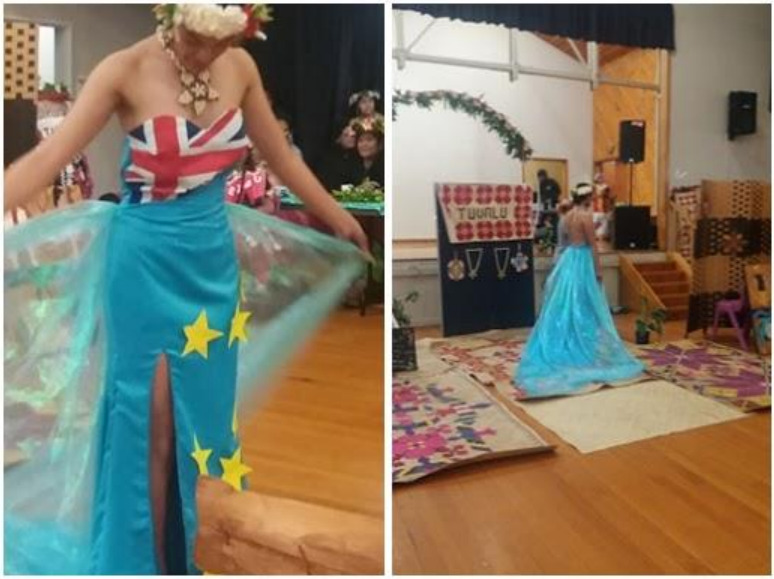
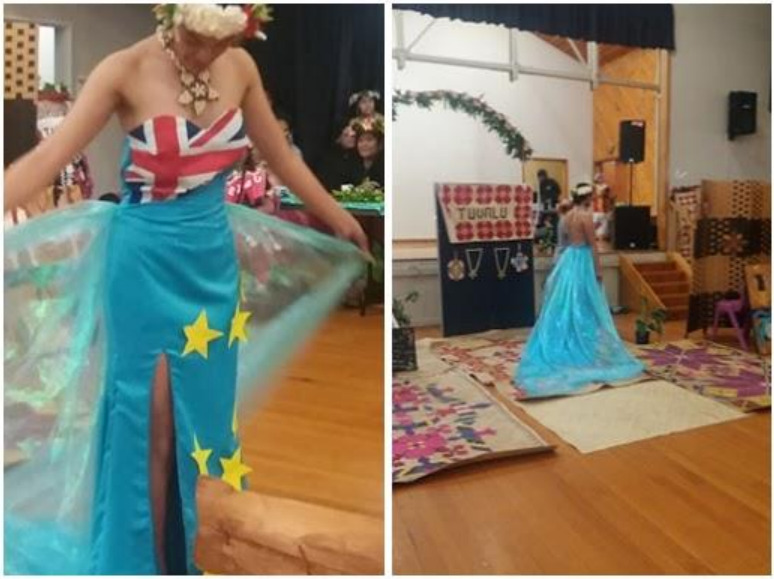
The process of adaptation is seen in the amalgamation of Western and Tuvaluan cultures. At the Tuvaluan Arts Festival, young Tuvaluan women presented a fashion display that combined Western styles with Tuvaluan traditional features. One of the dresses included the Tuvaluan flag. This fusion is an innovative manifestation of cultural expression that preserves traditional elements while accepting inspiration from the new place and culture. Furthermore, it demonstrates the younger generation’s aptitude for effectively navigating and incorporating many cultural identities. Nevertheless, the process of adaptation is not without cultural and environmental difficulties, particularly for those who relocate at a later stage of their lives, navigating new geographic and socio-cultural difficulties. Notwithstanding these difficulties, the community demonstrates endurance, bolstered by robust community solidarity and cultural preservation that contribute to their sense of identity and integration. These foundations help in dealing with the difficulties presented by migration and climate change.
The community uses art and different cultural practices to raise awareness and vocalise their concerns about the impacts of climate pressures in Tuvalu and link them to worldwide issues in other parts of the world. They channel their voices, resources, knowledge and presence to New Zealand to innovatively express the risks of land loss and environmental decay. They hope to show that Tuvalu is part of the world that is characterized by environmental disaster and ongoing anthropogenic changes. Several Tuvaluans in Auckland shared that they are collaborating on a gallery exhibition showcasing the impacts of climate change in Tuvalu. The exhibition aims to raise global awareness of their struggles while expressing their profound love for and commitment to their homeland and cultural heritage.
The comprehensive accounts from the participant observation highlight the profound emotional connection that Tuvaluans have with their homeland and the creative approaches they use to preserve their cultural heritage in New Zealand. The community exhibits a strong cultural resilience that promotes their collective well-being and identity, whether through traditional festivities, the reproduction of important cultural structures, or the amalgamation of Tuvaluan and Western cultural aspects. Social capital, shown by robust community connections and reciprocal assistance, is crucial in fostering resilience and enabling successful adaptation and flourishing in a new setting.
7. Discussion
The themes above provide a nuanced understanding of how the Tuvaluan community in New Zealand navigates the complexities of migration, cultural preservation, and adaptation. These findings can be linked to broader theoretical frameworks on social capital, community resilience, cultural resilience, identity, migration and adaptation strategies, place attachment and authenticity, and vulnerability and adaptation to climate change. This section expands on these themes, offering a comprehensive analysis of the community’s experiences and the broader implications for understanding resilience in diaspora communities. The significance of social capital in the Tuvaluan community is seen in their close-knit social networks and the mutual support they provide to one another. The community activities, whether island-specific or pan-Tuvalu events, play a crucial role in strengthening these social connections. Social capital is essential for strengthening community resilience. It refers to the networks, norms, and social trust that enable coordination and collaboration for the progress of social ties and connections at the individual island-specific and national levels. Social capital of the Tuvaluan community is evident via mutual support, shared cultural customs, and a sense of belonging and identity, all of which enhance their ability to withstand challenges.
Community activities provide a forum for Tuvaluans to establish connections, and exchange their experiences, and solidarity. These events serve as both gatherings and chances for cultural exchange and strengthening of community relationships. These practices serve as a reminder of their cultural history and provide a sense of consistency and stability in the face of migration hardships. The respect for the Maneapa structure signifies the conservation of social and cultural cohesion. The Maneapa, a customary assembly hall in Tuvalu, has considerable cultural and social significance. The reproduction of this cultural pillar in New Zealand acts as a strong foundation, strengthening the community’s social connections and ability to recover from challenges. This practice showcases the community’s capacity to adjust its cultural practices to a new setting while upholding its fundamental traditions and values.
The strong social connections within the community also enable social exchange and support. During community events, people make contributions of food, money, and other resources to ensure the well-being of everyone. The presence of this reciprocal assistance system is vital for the community’s ability to withstand and recover from the difficulties associated with migration and adjustment. It serves as a safeguard for people and families in need. The community’s capacity to sustain these social connections and support systems is a demonstration of their resilience and adaptability. The works of scholars such as Nguyen Long (2016) provide theoretical support for the significance of social capital in community resilience. Nguyen Long’s research examines the influence of social capital on political participation among immigrants, specifically differentiating between bonding and bridging social capital and emphasising their distinct impacts on political engagement. The Tuvaluan community demonstrates this differentiation through their practices, as they use bonding social capital to reinforce connections within the group and employ bridging social capital to establish links with larger networks, consequently strengthening their overall resilience.
The Tuvaluan community preserves cultural resilience through the implementation of traditional rituals, festivities, and the establishment of cultural places that accurately recreate their homeland’s surroundings. Cultural resilience pertains to the capacity of a group to safeguard and adapt their cultural customs and sense of self in response to external influences. The Tuvaluan community demonstrates its resilience by actively conserving its cultural heritage through traditional activities and festivities. Cultural events, such as the Faatele dance and the Arts Festival, play a crucial role in the community’s endeavour to preserve its cultural identity. Stratford et al. (2013) support this notion as they highlight that Faatele, a vibrant collective activity that combines traditional costume, song, dance, and percussion, is often performed as a friendly competition between the Tuvaluan communities. These festivities, deeply rooted in pre-colonial traditions, are accompanied by communal feasts prepared by community members. In diaspora settings, such celebrations are adapted by hiring local halls and serving traditional foods, often sourced from relatives in Tuvalu (Stratford et al., 2013). They additionally note that the Faatele performances are dynamic and emotionally charged, engaging a significant portion of the community as participants or spectators, reinforcing a sense of identity and solidarity among Tuvaluan diaspora communities. These activities provide a venue for Tuvaluans to showcase their cultural history and establish a connection with their roots. The pride and emotional connection seen at these events highlight the community’s efforts to maintain its cultural identity. The Faatele dance, performed during festivals commemorating Independence Day, serves as a powerful manifestation of cultural identity and resilience. The dance not only engenders a feeling of attachment to the land but also cultivates a sense of dignity and cohesion in the community. Using traditional items, cultural artefacts, and the safeguarding of language at communal gatherings further bolsters this cultural resilience. The act of conserving and displaying cultural artefacts in their houses indicates their dedication to upholding their cultural identity. These behaviours foster a sense of familiarity and cultural prosperity which in turn contribute to the overall well-being and identity of the community. The group’s commitment to preserving its cultural customs is further shown by their active endeavours to transmit their traditions to the younger generations in the community. During community festivals, older community members often use this opportunity to share knowledge about their cultural history with the younger Tuvaluan generations. The transmission of knowledge across generations is essential for maintaining cultural identity and resilience. By engaging the younger generation in cultural practices and events, the community guarantees the preservation and flourishing of their cultural legacy. Similarly, as Beaulieu (2009) highlights, Faatele fosters community cohesion and cultural preservation by strengthening relationships and shared norms among Tuvaluans, reflecting bonding social capital. Within the diaspora, it also represents bridging social capital, linking individuals across regions and sustaining a shared cultural identity. Its persistence amidst challenges such as migration and climate pressures underscores the vital role of social capital in safeguarding Tuvaluan cultural identity and collective action. These interconnected practices collectively highlight the community’s dedication to preserving and transmitting its cultural heritage in the face of modern challenges.
The process of developing a strong connection to New Zealand while maintaining Tuvaluan cultural identity is intricate and subtle. Community resilience relies heavily on the community’s familiarity with the place and their ability to adapt to the host environment. The process of adaptation includes acquiring new abilities, such as linguistic fluency, and comprehending the societal and cultural conventions of the destination nation. Nevertheless, the process of adaptation is not without its difficulties. Several Tuvaluans express a sense of environmental and cultural alienation and difficulty adapting to the new place. Notwithstanding these obstacles, the community demonstrates resilience and adaptation. The support derived from their social ties and the maintenance of cultural traditions provide a feeling of stability and continuity in the face of these difficulties.
The Tuvaluan community’s devotion to their motherland is complex, including both tangible and symbolic links. Place attachment is the formation of emotional connections that individuals establish with certain locations (Low & Altman, 1992). These connections are essential for fostering a feeling of identity and belonging. The construction of Maneapa-style structure and the observance of cultural festivities in communal venues demonstrate a profound affinity with Tuvalu’s cultural and societal elements. These strategies aid in reducing emotions of displacement and promoting a sense of belonging in unfamiliar surroundings. This place connection is further enhanced by the use of cultural artefacts at home or during community activities. These behaviours provide a sense of familiarity and cultural richness, which contribute to the overall well-being and identity of the community. The community’s simultaneous commitment to both Tuvalu and New Zealand exemplifies the dynamic nature of place attachment in the context of migration.
The community’s efforts to raise awareness about climate change via artistic expression, dancing, and active engagement in global events exemplify their proactive approach to tackling this worldwide concern. The Tuvaluan homeland faces a serious threat from climate change, as increasing sea levels and environmental deterioration jeopardise their way of life. The community’s support for climate justice is motivated by a profound emotional and cultural attachment to their motherland. The community’s action serves the dual purpose of increasing awareness and safeguarding their cultural and environmental heritage. The incorporation of cultural activities with environmental advocacy showcases the community’s comprehensive approach to tackling climate change. The study conducted by Kelly and Adger (2000) focuses on evaluating vulnerability to climate change and highlights the significance of socio-economic and institutional elements in enabling adaptation.
The participant observation may be consolidated to enhance comprehension of the interrelated topics of social capital, cultural resilience, migration adaptation strategies, place attachment, and vulnerability to climate change. These themes are not separate; instead, they overlap and influence each other in intricate ways to shape the experiences and resilience of the Tuvaluan community in New Zealand. The significance of social capital in bolstering community resilience is seen in the robust social networks, cultural preservation and reciprocal support within the Tuvaluan community. These networks play a vital role in helping individuals as well as families navigate the difficulties of migration and adaptation, offering a support system. This resilience is further strengthened by the preservation of cultural customs and identity through community gatherings and traditional activities. Cultural resilience is more than just preserving traditions; it involves the ability to adjust and incorporate these traditions into new environments while preserving fundamental values and meaning.
Migration and adaptation strategies include a dynamic interaction between preserving ties to Tuvalu and adjusting to unfamiliar surroundings. The community’s capacity to manage this dual connection is crucial for their overall wellbeing and adaptability. The significant emotional connection to both Tuvalu and New Zealand emphasises the need to establish culturally significant environments in the host land, which aids in reducing feelings of displacement and cultivating a sense of belonging. The vulnerability of the Tuvaluan community to climate change highlights the need for comprehensive approaches that address both the ecological and cultural aspects of resilience. The community’s proactive commitment to environmental justice and their incorporation of cultural traditions into their environmental initiatives exemplify a comprehensive approach to resilience. This process not only aids in the conservation of their cultural legacy but also enhances the resilience to adapt to global environmental changes.
8. Conclusion
The Tuvaluan diaspora in New Zealand demonstrates the intricate balance between cultural preservation, community resilience, and adaptation to external challenges such as climate change and migration. Despite environmental vulnerabilities and the pressures of displacement, Tuvaluans have leveraged social capital to maintain strong cultural ties, foster diaspora solidarity, and promote unity and cultural continuity. Through cultural practices, such as cultural and community events, the Tuvaluan community in New Zealand not only sustains its traditions but also adapts to the realities of life in New Zealand, reinforcing identity and unity.
Moreover, the resilience of the Tuvaluan diaspora underscores the broader significance of culturally rooted strategies in navigating migration, socio-economic and environmental challenges. By integrating community voices and fostering inclusive networks, Tuvaluans embody a model of community-driven resilience that addresses both immediate and long-term socio-economic and cultural needs. These findings emphasize the critical role of culturally sensitive policies in ensuring the survival and flourishing of Tuvaluan identity, both at home and abroad.
As the Tuvaluan community continues to navigate the complexities of migration, their experiences offer valuable insights into the transformative potential of cultural resilience and social capital. Supporting such communities through targeted research, inclusive policies, and robust international frameworks will be vital in safeguarding their cultural heritage and fostering their future resilience amidst a rapidly changing environment.